
Seed Starting
Fall Sowing Wildflowers for Spring Color
Oct
Many gardeners wait until spring to sow wildflowers, but nature does it in fall. Seeds drop in autumn, sit through winter and sprout when conditions are right. Sowing in fall lets you work with that natural cycle — and often produces stronger plants and earlier blooms.
Why sow in fall?
- Many native wildflowers need cold, moist conditions to germinate (natural cold stratification).
- Seeds settle into the soil with winter rain and freeze-thaw cycles.
- Plants establish roots early in spring, before summer heat arrives.
- Spring is busy — fall sowing gets one job done ahead of time.
When to sow
The goal is for seeds to stay dormant until spring. Sow after a couple of hard frosts once the soil has cooled, typically late October to December in colder regions. In mild climates, autumn sowing can coincide with the start of the rainy season.
Prepare the site
- Choose a sunny area — most wildflowers want at least six hours of sun.
- Remove existing grass and weeds. Competition is the number one reason wildflower plantings fail.
- Loosen the top inch of soil with a rake. There is no need to add fertilizer; most wildflowers prefer lean soil.
Sowing
Mix seeds with dry sand (about four parts sand to one part seed) so you can see where you have sown and spread them evenly. Scatter by hand, walking over the area in two directions. Then press seeds into the soil by walking over them or rolling with a board. Do not bury them deeply — many wildflower seeds need light.
Good candidates for fall sowing
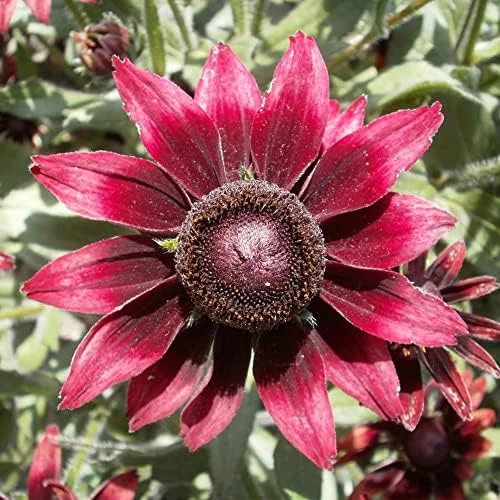
- Black-eyed Susan, coneflower and blanket flower
- California poppy, cornflower and larkspur
- Lupine, columbine and penstemon
- Milkweed for monarch butterflies
What to expect
Annual wildflowers will bloom in the first summer. Many perennials spend their first year building roots and flower generously from the second year on. Be patient and resist the urge to “tidy” small seedlings you do not recognize.
Find annuals and perennials for your meadow in our flower seed collection.
