
Garden Planning
October Garden Tasks: Collect Seeds and Prepare for Winter
Oct
October is a month of harvest and preparation. Summer flowers are setting seed, nights are getting cold, and there is still time for a few tasks that will pay off next spring. Here is our checklist for the month.
1. Collect seeds from your favorite plants
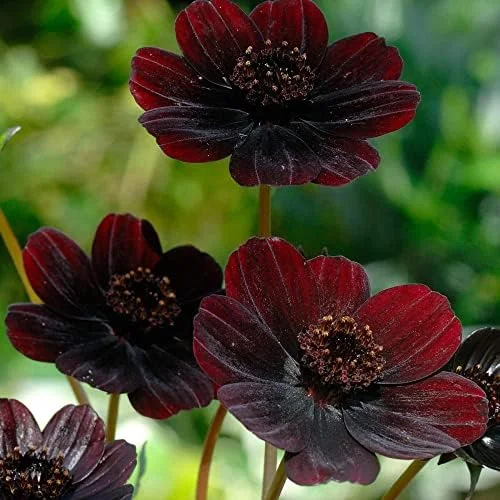
Many flowers are now forming dry seed heads. Collect seeds from zinnias, marigolds, cosmos, sunflowers, coneflowers and black-eyed Susans on a dry afternoon. Let them dry indoors for a week or two, then store them in labeled envelopes in a cool, dry place.
2. Sow hardy annuals and wildflowers
Seeds of larkspur, poppies, cornflowers and many native wildflowers can be sown outside now in many areas. They will sit dormant through winter and sprout early in spring, often producing stronger plants than spring-sown seeds.
3. Protect succulents and tender plants
Before the first frost, move tender succulents and potted herbs indoors. Check them for pests first, and find the brightest window you can. Hardy sedums and sempervivums can stay outdoors.
4. Clean up — but not too much
Remove diseased plants and spent vegetable crops to reduce problems next year. However, consider leaving healthy perennial stems and seed heads standing. They feed birds, shelter beneficial insects over winter and add winter interest.
5. Plant spring bulbs
October is the ideal month to plant tulips, daffodils, crocuses and alliums in most regions. Plant bulbs about three times as deep as they are tall, pointed end up.
6. Mulch and feed the soil
Spread compost or shredded leaves over empty vegetable beds. By spring, worms and soil life will have worked it in, leaving rich, crumbly soil ready for planting.
7. Write it down
While the season is fresh in your mind, note what worked and what did not. Which varieties produced best? Where did plants struggle? These notes are the start of next January’s planning — and the cycle begins again.
Planning ahead for spring? Browse our seed collection now for the best selection.
