Garden Planning
How to Grow a Pollinator Garden From Seed
Apr
Bees, butterflies, hummingbirds and other pollinators are essential for fruit, vegetables and wild plants. A pollinator garden helps them while filling your yard with color and movement. Best of all, you can grow one entirely from seed.
Pick a sunny spot
Most pollinator plants and pollinators themselves love sunshine. Choose an area that gets at least six hours of sun. Even a small bed or a few large containers make a difference.
Choose a variety of flowers
Different pollinators prefer different flower shapes and colors:
- Bees: blue, purple and yellow flowers — lavender, borage, sunflowers, salvia
- Butterflies: flat landing pads and clusters — zinnias, coneflowers, lantana, milkweed
- Hummingbirds: red and orange tubular flowers — salvia, penstemon, cardinal climber
Native plants are especially valuable because local insects evolved with them.
Plan for continuous blooms
Pollinators need food from early spring to late fall. Combine plants that bloom at different times:
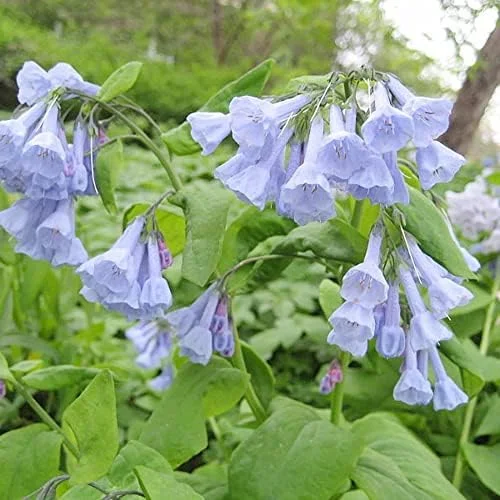
- Spring: columbine, lupine, Virginia bluebells
- Summer: black-eyed Susan, bee balm, zinnia, sunflower
- Late summer and fall: asters, goldenrod, cosmos, sedum
Remember the caterpillars
Butterflies need host plants for their caterpillars. Milkweed is essential for monarchs; dill, fennel and parsley host swallowtails. Plant a few extra and accept some chewed leaves.
Sowing
Annuals such as zinnias, cosmos and sunflowers can be sown directly after the last frost. Many native perennials benefit from fall sowing or cold stratification. Plant in drifts or clumps of the same flower — pollinators find large patches more easily than scattered single plants.
Pollinator-friendly habits
- Avoid pesticides, especially on flowering plants.
- Leave a small patch of bare soil — most native bees nest in the ground.
- Provide a shallow dish of water with pebbles for landing.
- Leave seed heads standing over winter for birds and overwintering insects.
Get started with our flower seeds — many varieties are pollinator favorites.
