Garden Planning
Saving Your Own Seeds: Harvest, Dry and Store
Aug
Late summer is seed-saving season. Saving seeds from your own plants is free, satisfying, and over time produces plants adapted to your garden. Here is how to start.
Choose the right plants
Start with open-pollinated or heirloom varieties. Seeds from these plants grow “true to type,” meaning the next generation looks like the parent. Seeds saved from F1 hybrids usually produce unpredictable results.
The easiest beginner crops are self-pollinating: tomatoes, beans, peas and lettuce. Flowers such as sunflowers, zinnias, marigolds and cosmos are also very easy.
When to harvest
- Dry seeds (beans, peas, flowers, herbs): let pods or seed heads dry on the plant until brown and papery.
- Wet seeds (tomatoes, peppers, squash, melons): harvest from fully ripe — even slightly overripe — fruit.
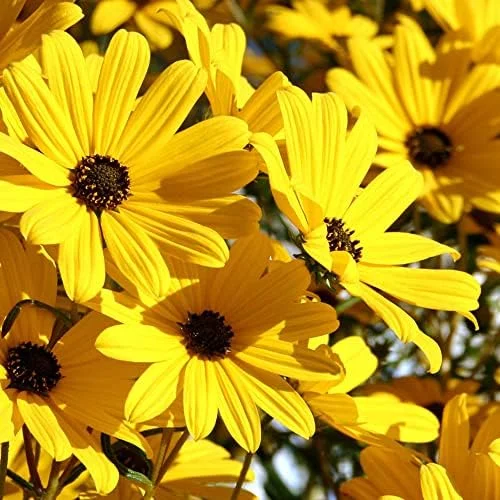
- Sunflowers: cut the head when the back turns yellow-brown and petals have dropped. Cover with a paper bag to protect from birds.
Cleaning seeds
Dry seeds: crush pods or rub seed heads between your hands over a bowl, then gently blow away the chaff.
Tomato seeds: scoop seeds and pulp into a jar with a little water, let ferment for 2–4 days until a film forms, then rinse in a sieve. Fermentation removes the gel coating and reduces seed-borne disease.
Peppers and squash: simply rinse and separate seeds from the flesh.
Drying
Spread seeds in a single layer on a plate, screen or coffee filter. Keep them somewhere warm, dry and out of direct sun for one to two weeks. Seeds are dry enough when they snap rather than bend.
Storing
Place fully dry seeds in paper envelopes or glass jars. Label every container with the variety and year. Store somewhere cool, dark and dry; a sealed jar in the refrigerator is ideal. Stored well, many seeds stay viable for three to five years.
A note on cross-pollination
Squash, cucumbers, corn and many flowers are insect- or wind-pollinated and can cross with neighboring varieties. If purity matters, grow only one variety of each or isolate plants by distance.
Start with a few heirloom flower seeds or vegetables this year and you may never need to buy those varieties again.
